


Community Colleges and Universities are facing a massive surge in fraudulent applications.
Organized criminal networks and AI-driven automation are generating “ghost students” to exploit federal and state financial aid programs, driving significant losses in federal and state aid dollars while forcing admissions teams into costly, manual review processes and spreadsheet-driven workflows.
Understand your business, culture, and current state
Market trends, internal diagnostics, and opportunity mapping
Define goals, value proposition, and differentiation
Step-by-step execution plan with measurable milestones



We’ve compiled answers to the most common questions clients ask about our business strategy consulting.
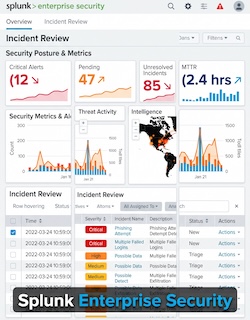
Conducive FraudWatch is a fully managed, AI-driven fraud detection platform built on Splunk designed specifically for higher education institutions. It analyzes incoming admissions and financial aid applications in real time using machine learning models that detect subtle anomalies—such as automated bot behaviors, synthetic identities, or stolen SSNs paired with fake names—that traditional rule-based systems miss.
FraudWatch integrates seamlessly into existing admissions pipelines and Student Information Systems (SIS), including Ellucian Banner. It acts as a invisible validation layer, connecting incoming data to external verification databases (such as IP, SSN, and address checks) without requiring changes to existing applicant-facing forms.
Minimal internal IT lift is required. FraudWatch operates as a fully managed, "plug-and-play" solution where Conducive manages the underlying Splunk infrastructure, system updates, and threat detection models. Dedicated Conducive security analysts handle ongoing threat hunting to adapt to evolving fraud tactics, eliminating the need to hire internal cybersecurity specialists.
No. Real-time risk scoring occurs silently in the background as applications enter the system. Genuine prospective students experience no added application steps or delays, while the institution ensures that course seats and financial aid funds remain reserved for actual learners rather than automated bots.

Reach out to discuss automated countermeasures for synthetic identities with dedicated fraud analysts.
